Yes. Dental composite resin (also called tooth-colored composite or resin composite) is one of the most widely used materials for direct tooth restorations in modern dentistry. It effectively repairs cavities, chips, fractures, and other defects while restoring both function and appearance.
Key Advantages of Resin Fillings
1. Natural Aesthetics
Composite resin can be closely matched to the color, translucency, and opacity of natural teeth. This makes it especially suitable for anterior (front) teeth and any visible areas. After proper polishing, the restoration blends seamlessly with surrounding tooth structure.
2. Strong Adhesion
Modern resins bond chemically and micromechanically to enamel and dentin through adhesive systems. This creates a durable seal that helps retain the filling and reduces the risk of microleakage or secondary caries when placed correctly.
3. Minimally Invasive and Efficient Placement
The material is placed directly into the prepared cavity and shaped by the dentist. In many cases it requires less removal of healthy tooth structure than older materials. Light-curing allows controlled, layer-by-layer buildup and relatively short chair time.
4. Broad Clinical Applications
Resin composites are suitable for:
Class I–V cavities
Small-to-moderate fractures or chips
Non-carious cervical lesions (wedge-shaped defects)
Both anterior and posterior teeth (with appropriate material selection)
5. Better Biocompatibility Compared with Older Options
Compared with traditional amalgam, composite resins generally produce less thermal conductivity and lower risk of galvanic effects. When proper isolation and bonding protocols are followed, they are well tolerated by the pulp in most cases.
Important Considerations for Success
Results depend heavily on:
Dentist technique and isolation quality
Correct material selection (universal, anterior, or posterior-specific composites)
Proper light-curing and finishing/polishing
Patient habits (avoiding hard foods immediately after placement, good oral hygiene)
Large defects, extensive tooth structure loss, or cases involving pulp infection may require additional treatment (such as root canal therapy) or alternative restorations (inlays, onlays, or crowns) rather than a simple direct resin filling.
Regular check-ups help monitor the margins and longevity of the restoration.
From Traditional Resin Fillings to Digital Restorative Workflows
Direct composite resins remain an excellent conservative option for many patients. At the same time, digital technologies are transforming how restorations are planned and delivered. Accurate intraoral scanning, CAD design, and 3D printing of provisional restorations, diagnostic models, and surgical guides improve precision, reduce appointments, and enhance the overall patient experience.
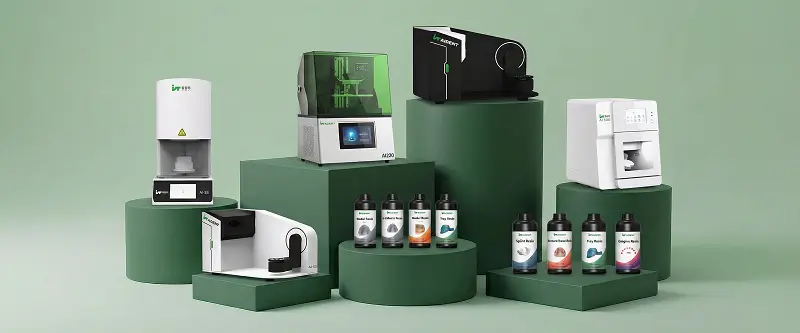
Aident3D provides a complete digital dentistry solution - powder-free intraoral scanners, high-precision lab scanners, open-system dental 3D printers, and matched biocompatible resins - that works alongside traditional restorative materials to support modern clinics and labs.
Interested in upgrading your restorative workflow?
Explore our Scan → Design → Print solutions at https://www.aident3d.com/ or contact us for details and demos:
WhatsApp +86 19311417410 | Email dongjiahao@aident.cc